

 sales@towardsict.com
 +1 804-441-9344

March 2026





The artificial intelligence (AI) in the chemicals market size is expected to be worth around USD 14,353.17 million by 2035, from USD 1,225.3 million in 2025, growing at a CAGR of 27.9% during the forecast period from 2026 to 2035. The surging adoption of advanced technologies in the chemical industry is expected to drive the growth of artificial intelligence (AI) in chemicals market.
-in-the-chemicals-market.webp "Artificial Intelligence (AI) in Chemicals Market Size 2025 To 2035")
Artificial intelligence (AI) in chemicals market has gained immense popularity in recent times. There are several components of this sector comprising hardware, software and services. It finds application in product optimisation, new material innovation, operational process management, pricing optimisation, raw material demand forecasting and others. The end-users of these solutions comprise base chemicals & petrochemicals, agricultural chemicals, speciality chemicals and others. This market is expected to grow significantly with the rise of the agricultural sector around the globe.
The advancements in machine learning and natural language processing technologies have drastically changed the landscape of the chemicals industry. Additionally, rapid investment by AI companies for developing a wide range of AI frameworks for the chemical manufacturers is significantly contributing to the industry.
Numerous AI companies have started collaborating with chemical brands to design advanced AI platforms for developing a wide range of chemicals.
Market players are engaged in launching various types of AI solutions to cater for the needs of the chemical sector.
Chemical manufacturers are heavily investing in opening R&D centres for designing and researching speciality chemicals.
The growing popularity of green chemistry in developed nations is expected to create growth opportunities for the market players in the upcoming years.
The integration of generative AI in the chemical manufacturing sector is likely to reshape the industry in the future.
| Report Coverage | Details |
| Market Size in 2026 | USD 1,567.16 Million |
| Market Size by 2035 | USD 14,353.17 Million |
| Growth Rate From 2026 to 2035 | CAGR of 27.9% |
| Base Year | 2025 |
| Forecast Period | 2026-2035 |
| Segments Covered | Type, Application, End-use, Region |
| Market Analysis (Terms Used) | Value (US$ Million/Billion) or (Volume/Units) |
| Regional scope | North America; Europe; Asia Pacific; Latin America; MEA |
| Key Companies Profiled | Accenture; BASF; Google LLC; Honeywell International Inc.; IBM Corporation; Insilico Medicine; Microsoft; NVIDIA Corporation; Siemens; SLB |
Why did the Software Segment lead the Artificial Intelligence (AI) in Chemicals Market?
The software segment led the industry. The growing focus of software companies to develop AI-based software for the chemicals sector has boosted the market expansion. Moreover, collaborations among chemical companies and app developers to design advanced software for enhancing the capabilities of the chemical industry are expected to drive the growth of artificial intelligence (AI) in chemicals market.
The services segment is expected to grow with a significant CAGR during the forecast period. The rising emphasis of AI providers to deliver AI-based services for the chemical industry has driven the market growth. Additionally, collaborations among AI developers and chemical brands to deploy AI-based services to enhance the capabilities of chemical manufacturing are expected to propel the growth of artificial intelligence (AI) in chemicals market.
What made the Production Optimisation Segment dominate the Artificial Intelligence (AI) in Chemicals Market?
The product optimisation segment held the largest share of the market. The growing adoption of AI solutions in the chemical industry for optimising raw materials has driven the market growth. Additionally, the integration of AI helps in the chemical sector helps in optimise vast data to improve design, production, and sales, leading to better quality, efficiency, and profitability, thereby driving the growth of the artificial intelligence (AI) in chemicals market.
The new material innovation segment is expected to rise with the highest CAGR during the forecast period. The surging demand for AI solutions from the chemical manufacturing sector for innovating new materials has driven the market growth. Additionally, AI-enabled platforms help in accelerating discovery, design, and optimisation through predictive modelling, generative design, and autonomous experimentation, thus boosting the growth of artificial intelligence (AI) in chemicals market.
How did the Base Chemicals & Petrochemicals segment Dominate the Artificial Intelligence (AI) in Chemicals Market in 2025?
The base chemicals & petrochemicals segment dominated the industry. The rapid expansion of the petrochemicals sector in several nations, including India, China, Qatar, UAE and some others, has driven the market expansion. Additionally, rapid investment by chemical manufacturers for opening new production centres to increase the production of base chemicals is expected to boost the growth of artificial intelligence (AI) in chemicals market.
-in-Chemicals-Market-Share,-By-End-use-2025.webp "Artificial Intelligence (AI) in Chemicals Market Share, By End-use 2025 (%)")
The speciality chemicals segment is expected to grow with the highest CAGR during the forecast period. The growing use of speciality chemicals in the automotive sector for manufacturing lightweight automotive parts has boosted the market growth. Moreover, numerous advantages of speciality chemicals, including performance enhancement, enhanced customisation, high profitability and others, are expected to propel the growth of artificial intelligence (AI) in chemicals market.
Why has North America led the Artificial Intelligence (AI) in Chemicals Market?
North America dominated the market. The rapid expansion of the petrochemical sector in several nations, including the U.S., Mexico, Canada and others, has boosted the market expansion. Additionally, the presence of numerous market players such as Microsoft, Google, Nvidia Corporation, and others is expected to drive the growth of the artificial intelligence (AI) in chemicals market in this region.
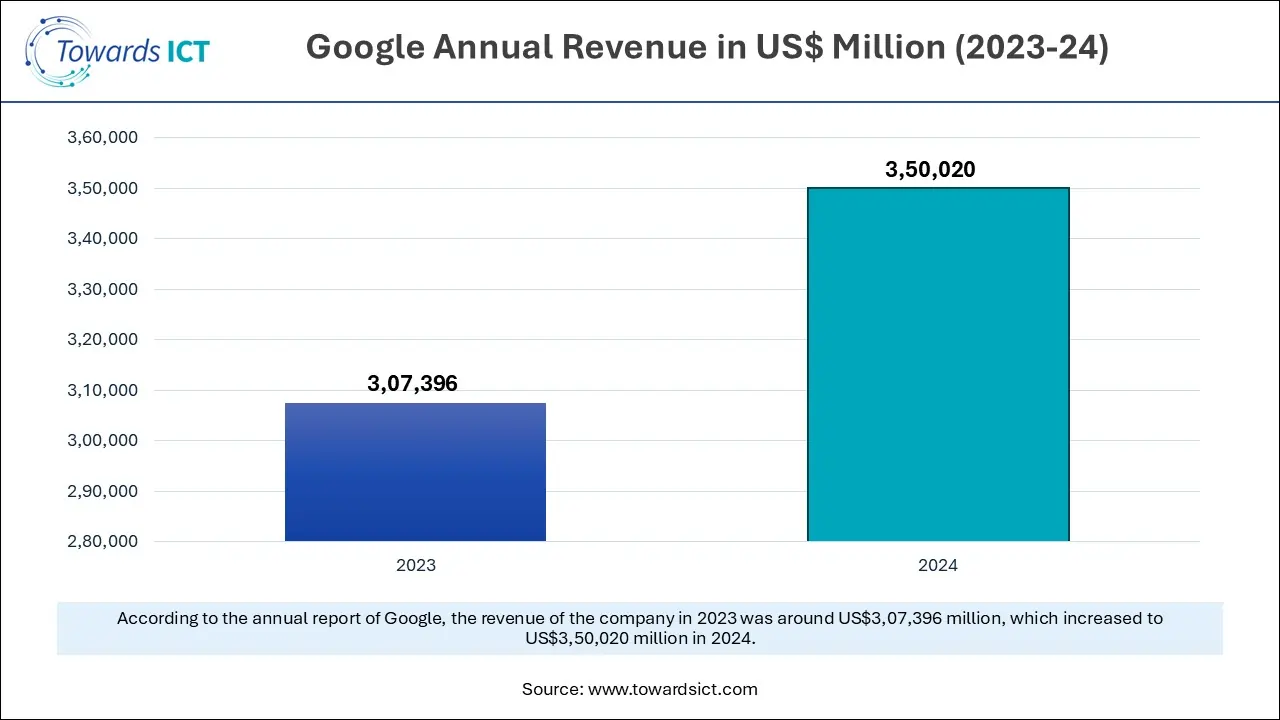
The U.S. led the industry in the North America region. The rising demand for AI-based software from the chemical industry to lower the dependency on manual labour has driven the market expansion. Moreover, rapid investment by the government in strengthening the AI infrastructure is positively contributing to the industry.
Why is Asia Pacific the Fastest-Growing Region in the Artificial Intelligence (AI) in Chemicals Market?
Asia Pacific is expected to grow with the highest CAGR during the forecast period. The rapid growth of the chemical industry in several countries, such as China, South Korea, Japan, India and some others, has driven the market growth. Moreover, rapid investment by chemical companies for opening new AI-enabled production centres is expected to propel the growth of the artificial intelligence (AI) in chemicals market in this region.
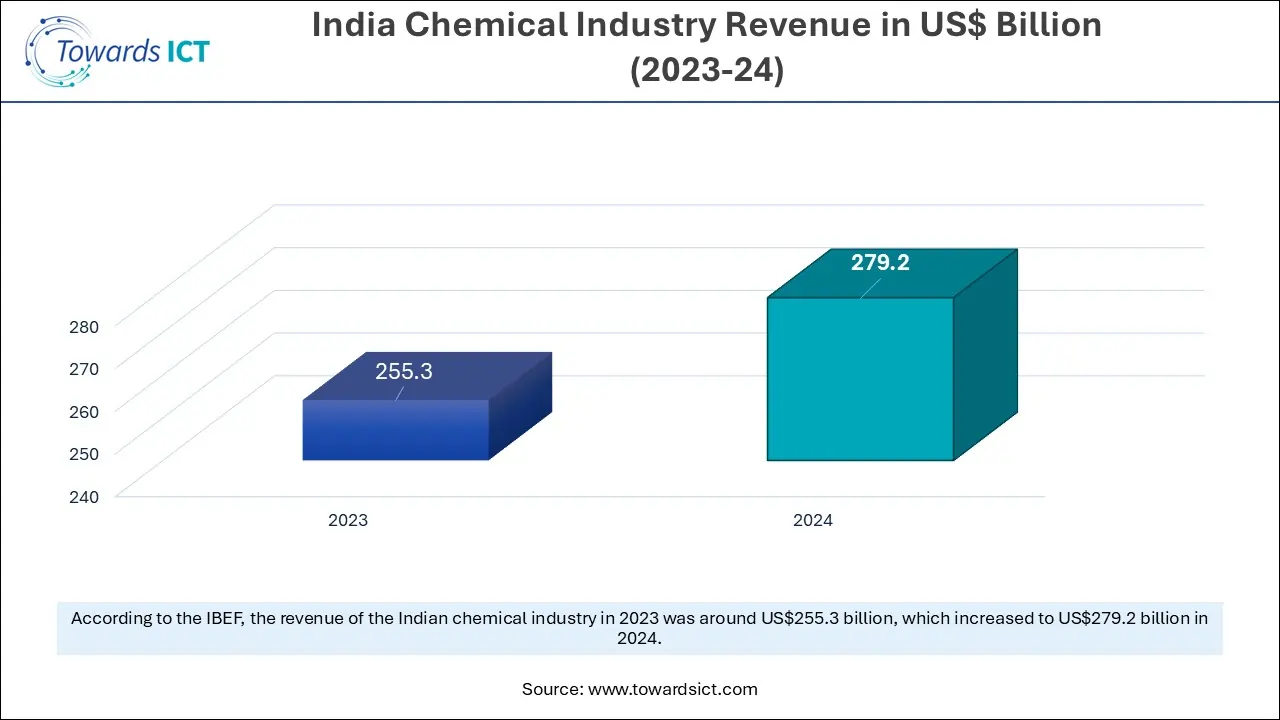
China dominated the market in the APAC region. The surging demand for high-quality petrochemicals, coupled with the integration of AI in the chemicals industry for demand forecasting, has boosted the market expansion. Additionally, the availability of raw materials at lower prices, as well as the rapid digitalisation of the chemical industry, is playing a vital role in shaping the industrial landscape.
What made Europe rise with a Significant CAGR in the industry?
Europe is expected to expand with a significant CAGR during the forecast period. The surging demand for speciality chemicals from the aerospace and automotive sectors in several nations, including Germany, France, the UK, Italy, and some others, has driven the market expansion. Moreover, the integration of AI in the chemical manufacturing sector is expected to foster the growth of artificial intelligence (AI) in chemicals market in this region.
Germany held the largest share of the industry in the European region. The growing demand for high-quality chemicals from the heavy machinery sector, coupled with numerous government initiatives aimed at developing the chemical manufacturing industry, is driving the market expansion. Also, rapid investment by market players for launching advanced solutions for enhancing the capabilities of the chemicals industry is positively contributing to the industry.
| Company | Headquarters | Offerings |
| Accenture | Dublin, Ireland | Accenture is a global professional services giant offering IT, consulting, strategy, and operations, helping big businesses and governments modernise with digital, cloud, security, and AI, creating value through technology. |
| BASF | Ludwigshafen, Germany | BASF SE is the worlds leading chemical company, headquartered in Germany, creating chemistry for a sustainable future by combining economic success with environmental care, serving diverse industries like auto, pharma, and agriculture with products from basic chemicals to crop protection. |
| Google LLC | California, United States | Google LLC, a subsidiary of Alphabet Inc., is a global tech giant known for its dominant search engine, online advertising, and a vast ecosystem of products like Android, YouTube, Chrome, Maps, and AI services, providing internet-related services, software, hardware, and cloud computing from its Mountain View, CA headquarters, impacting billions with technology for information, communication, and commerce. |
| Honeywell International Inc. | North Carolina, US. | Honeywell International Inc. is a diversified American multinational conglomerate focused on software-industrial innovation, creating technologies that blend physical products with software to enhance safety, comfort, and productivity across major sectors like Aerospace, Building Automation, Industrial Automation, and Energy & Sustainability. |
| IBM Corporation | New York, United States | IBM (International Business Machines Corp.) is a global technology giant focusing on hybrid cloud, AI, and consulting, providing software, hardware (like mainframes), and services for analytics, automation, cybersecurity, and IT infrastructure to diverse industries. |
| Insilico Medicine | Boston, USA | Insilico Medicine is a clinical-stage biotech company using generative AI and deep learning via its Pharma.AI platform (PandaOmics, Chemistry42, InClinico) to discover novel drug targets and design new molecules, accelerating drug development from years to months. |
| Microsoft | Washington, United States | Microsoft is a global tech giant known for Windows & Office, heavily focused on cloud (Azure), AI, gaming (Xbox), hardware (Surface), and productivity tools (Microsoft 365, LinkedIn), empowering digital transformation with its mission to help everyone achieve more through intelligent cloud and edge solutions. |
| NVIDIA Corporation | California, USA | NVIDIA is a leading American tech company, founded 1993, famous for pioneering Graphics Processing Units (GPUs) that power PC gaming, professional visualization, data centers (AI/HPC), and automotive tech, evolving into a full-stack accelerated computing platform with hardware (GPUs, networking) and software (AI platforms like CUDA, Omniverse) for industries like cloud, robotics, and scientific simulation. |
| Siemens | Munich, Germany | Siemens is a global technology powerhouse focused on electrification, automation, and digitalisation, creating tech to transform daily life by bridging the digital and real worlds for efficient industries, smart infrastructure (buildings, grids), and smart mobility (rail, road). As the flagship listed company of Siemens AG in India, Siemens Ltd. provides automation, digital solutions, and power tech, partnering with industries for growth, efficiency, and sustainability across diverse sectors like automotive, pharma, and energy. |
| SLB | Texas, USA | SLB (formerly Schlumberger) is a massive global technology company providing software, digital solutions, and services for the energy industry, focusing on reservoir characterisation, drilling, production, and processing for oil & gas, while developing new energy tech for the transition, operating globally with expertise in digital transformation, AI, and sustainability to unlock energy efficiently. |
Strengths
Weaknesses
Opportunities
Threats
By Type
By Application
By End-Use
By Region
The U.S. green technology and sustainability market is growing rapidly, driven by federal incentives (such as ...
March 2026
March 2026
March 2026
March 2026